Most interior design mistakes are not matters of taste. They are the same handful of practical errors, repeated in home after home, and every one of them is avoidable if you know to look for it. Here are the nine we correct most often.
1. One light in the middle of the ceiling
A single overhead fixture flattens a room, casts unflattering shadows and gives you exactly one mood: on. Every room needs three layers — ambient for general light, task where you read, cook or work, and accent to give the space depth after dark.
The fix: aim for four or five light sources per room on at least two switched circuits. Put the main lights on dimmers. It is the cheapest transformation available to any interior.
2. A rug two sizes too small
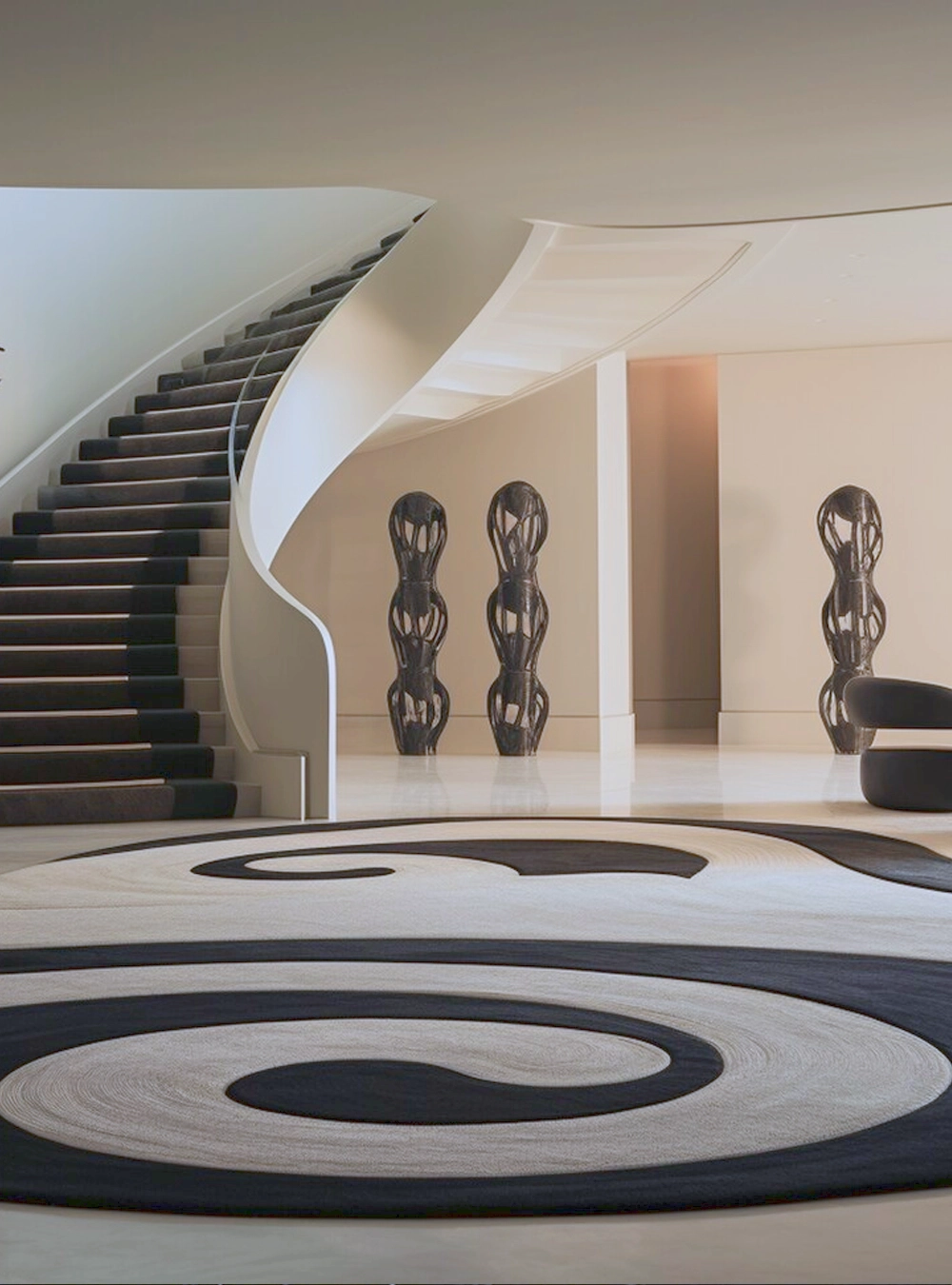
A small rug marooned in the middle of a seating area makes the whole room look smaller and unfinished. A rug should tie the furniture together, not float apart from it.
The fix: at minimum, the front legs of every seat should sit on the rug. Better still, all legs on. In a bedroom, allow 500–600mm of rug beyond the sides and foot of the bed.
3. Furniture bought without measuring
The sofa that looked modest in a warehouse showroom will not look modest in your living room. Showrooms are vast, and they distort scale ruthlessly.
The fix: tape the footprint onto your floor and live with it for two days. Check the delivery route too — the lift, the stairwell turn, the door width. We have seen more than one perfect sofa go back down in the lift it never fitted into.
4. Art hung too high
The single most common error in an otherwise finished home. Art hung at the installer's eye level floats, disconnected from everything below it.
The fix: centre the piece at roughly 1500mm from the floor. Above a sofa or console, leave 150–200mm between the furniture top and the frame so the two read as one group.
5. Curtains starting at the window frame
Tracks fixed tight to the frame make a window look squat and a ceiling look low.
The fix: mount the track close to the ceiling, or at least 100–150mm above the frame, and extend it 150–250mm past each side so open curtains clear the glass. You gain height, width and daylight at no extra cost beyond fabric.
6. Matching sets
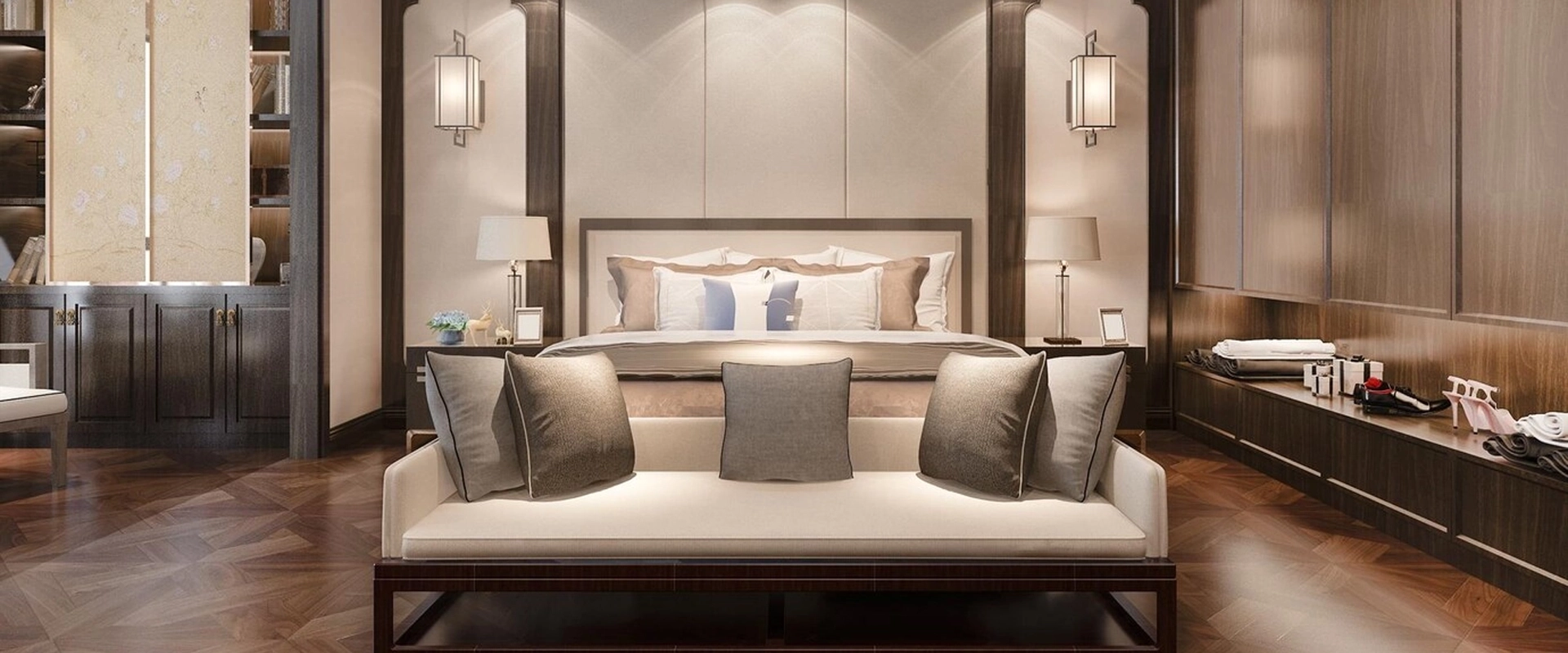
Buying the bed, both side tables, the dresser and the mirror as one packaged set produces a room that looks like a catalogue page rather than a home. Everything matches and nothing has any life.
The fix: keep a consistent palette and mix the pieces. Vary period, material and finish while holding the colours together. It is the difference between a room that was bought and a room that was assembled.
7. Storage designed as an afterthought
Storage decided at the end is storage that does not fit what you own — so the overflow lives on surfaces, and a well-designed room reads as cluttered.
The fix: audit your belongings before the design is fixed. Count the coats, the crockery, the suitcases. Design for that volume plus a quarter, and store things where they are used.
8. Choosing paint first
Paint is chosen first because it feels like the big decision. It is actually the easiest thing to match and the last thing that should be locked.
The fix: settle the expensive, less flexible items first — sofa fabric, stone, flooring, tile — then find the paint that agrees with them. Paint comes in every shade imaginable; granite does not. And always test a large patch on the actual wall, viewed at three times of day.
9. No focal point
A room where everything competes is a room where nothing lands. Without a clear focal point the eye has nowhere to rest and the space feels busy however carefully it was furnished.
The fix: decide what the room is about — the view, the fireplace, a single large artwork, the bed — and arrange around it. One strong statement beats five medium ones every time.
The pattern behind all nine
Every one of these comes from deciding in the wrong order: buying before measuring, painting before choosing materials, styling before planning storage or light. Sequence is most of the craft. Fix the order and most of these mistakes simply never arise.
If you would rather not learn these the expensive way, we are happy to look over your plans before anything is ordered.